
Sanitary Coriolis Mass Flow Meters for Pharma & Chemical
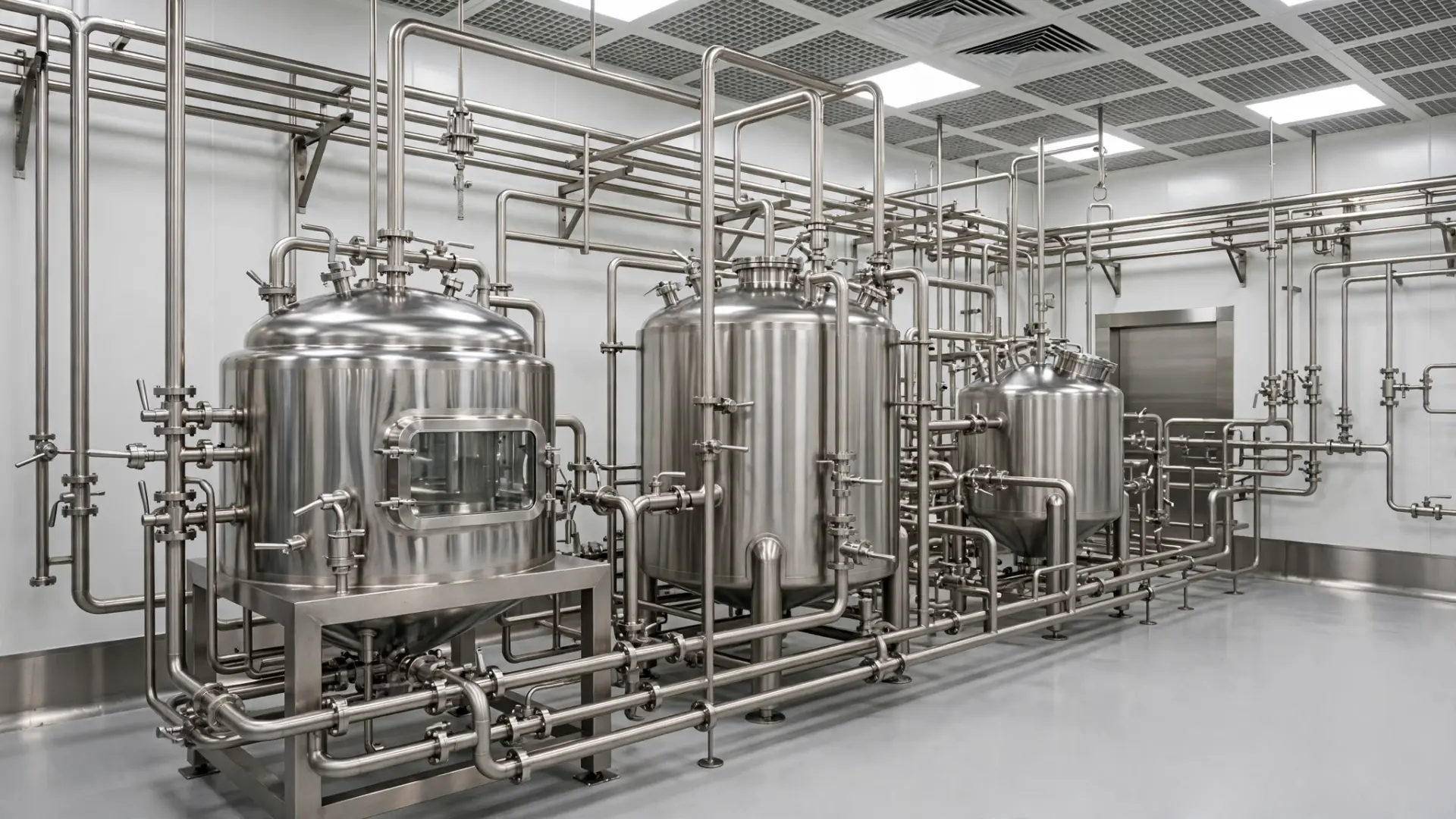
Hygienic flow measurement for pharma, food, and fine chemicals: crevice-free sanitary design, CIP/SIP compatibility, and why Coriolis meters fit hygienic duty.
In pharmaceutical, food and beverage, and fine chemical plants, a flow meter is part of the product contact surface — and that makes hygienic design non-negotiable. A sanitary coriolis mass flow meter combines precision mass measurement with the cleanability these industries demand. For any hygienic flow meter pharmaceutical application, from buffer preparation to final fill, the meter must measure accurately without becoming a contamination risk.
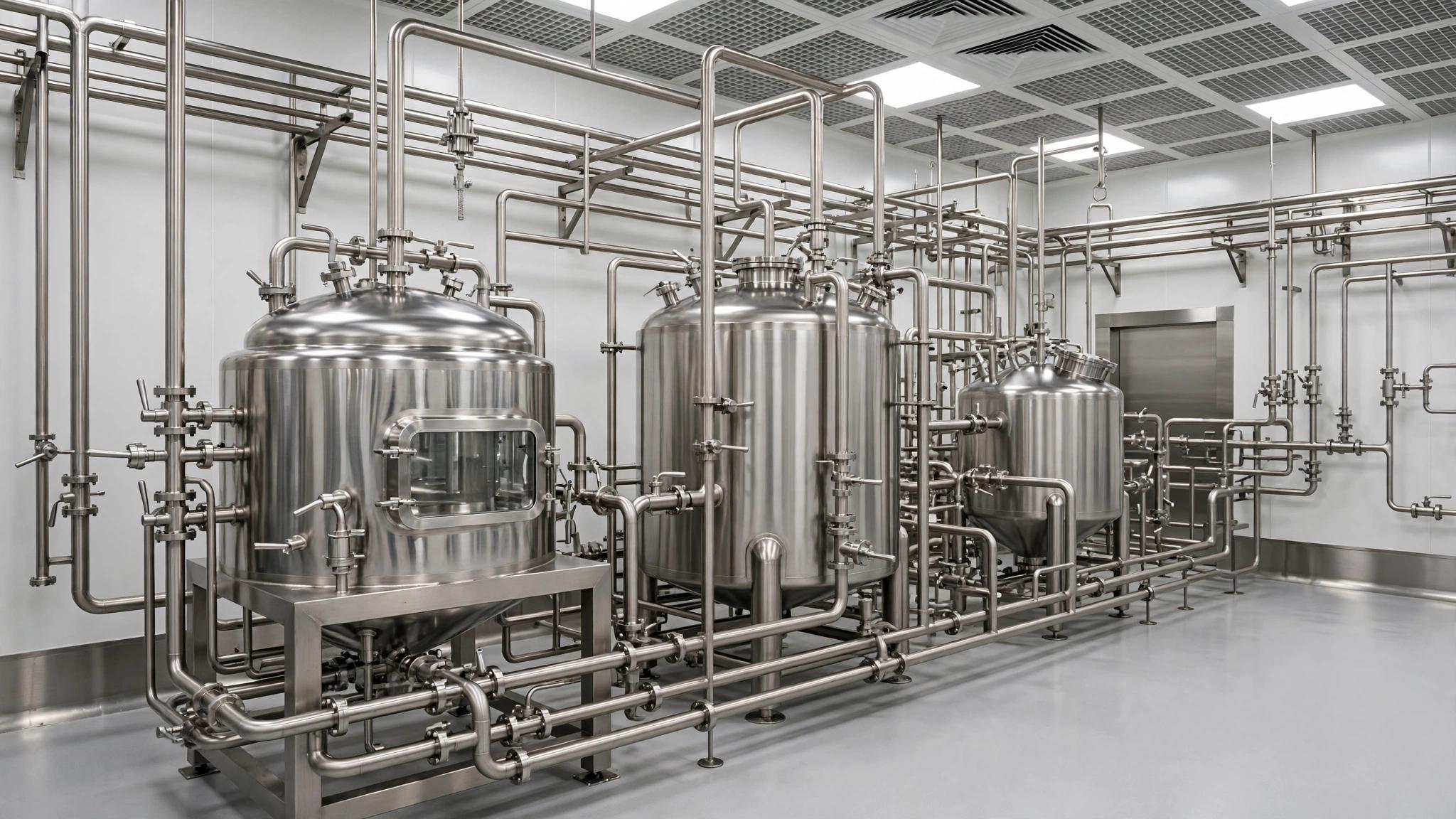
What hygienic design really means
Hygienic design is about eliminating places where product, microbes, or cleaning agents can hide. For a flow meter, that means smooth, crevice-free internal surfaces, self-draining geometry with no dead legs, and materials — typically 316L stainless steel — with surface finishes polished to low roughness values. Connections should be sanitary types such as tri-clamp rather than threaded fittings, which harbor residue. A hygienic Coriolis meter is designed around these principles: the measuring tube itself is a continuous, smooth flow path with no obstructions, gaskets in the product zone are minimized, and the entire wetted path can be specified with sanitary connections to match the plant's piping standard.
CIP and SIP: cleaning without disassembly
Modern hygienic plants clean in place. CIP (clean-in-place) circulates detergents and rinse water through the process line, while SIP (steam-in-place) sterilizes with pure steam — and the flow meter must survive both, repeatedly. Because a Coriolis meter has no moving parts, no narrow gaps, and a straight-through or gently curved tube, cleaning fluids sweep the full wetted surface effectively, and steam reaches sterilization temperature without cold spots trapped behind components. Specifying a hygienic Coriolis meter built for pharmaceutical and chemical service means the instrument supports the plant's validated cleaning cycle rather than forcing disassembly for manual cleaning.
Where hygienic Coriolis meters earn their keep
In pharmaceutical manufacturing, typical duties include purified water distribution, buffer and media preparation, solvent addition in API synthesis, and filling lines where precise dosing directly affects product quality. Food and beverage plants use them for syrup blending, dairy processing, and CIP chemical dosing. Fine chemical producers value them for batch reactors where recipe accuracy determines yield: Coriolis meters measure mass directly, so a kilogram dosed is a kilogram recorded, regardless of viscosity changes as the batch heats or reacts. Across these industries, the combination of sanitary construction and direct mass measurement solves two problems at once — compliance and accuracy.
Why Coriolis fits hygienic duty
Several features make Coriolis technology a natural fit. First, the absence of moving parts means there are no rotors, bearings, or seals to wear, shed particles, or trap product. Second, the smooth measuring tube presents minimal resistance to flow and to cleaning, with pressure drop kept low — important for shear-sensitive products. Third, multi-parameter output is a practical bonus: alongside mass flow, the meter reports density and temperature, so operators can verify concentration or detect process deviations without additional instruments. For liquid pharmaceutical duties such as medicine liquid measurement, where precision and cleanliness are equally critical, this combination is difficult to match with any other single technology.
FAQs
What surface finish should a hygienic flow meter have?
Hygienic applications typically require wetted surfaces polished to low roughness average (Ra) values with no pits or crevices, commonly achieved with 316L stainless steel. Confirm the specified Ra value matches your industry's hygienic standard and your validation requirements.
Can a Coriolis meter really be cleaned with CIP and SIP?
Yes, provided it is specified for hygienic service. The continuous smooth tube with no dead zones allows cleaning agents and steam to contact all wetted surfaces. Verify the meter's temperature ratings cover your SIP cycle conditions.
Does the meter's accuracy change with viscous syrups or creams?
No — this is a key advantage. Coriolis mass measurement does not depend on viscosity, so the meter maintains its accuracy whether the product is water-thin or highly viscous, without recalibration for each product.
Are sanitary connections available?
Hygienic Coriolis meters are commonly offered with tri-clamp and other sanitary connections to match pharmaceutical and food plant piping. Specify the connection standard used in your facility when ordering.
Can one meter handle multiple products in a batch plant?
Yes. Because accuracy is independent of fluid properties, a single Coriolis meter can measure successive batches of different products accurately, which simplifies both operation and cleaning validation in multiproduct plants.
Designing or upgrading a hygienic process line? The right meter protects both product quality and compliance. Contact VIBOTRA to discuss your media, cleaning regime, and accuracy requirements — we will help you configure a sanitary Coriolis solution for the duty.