
Flow Meter Trends 2026: What Industrial Buyers Should Know
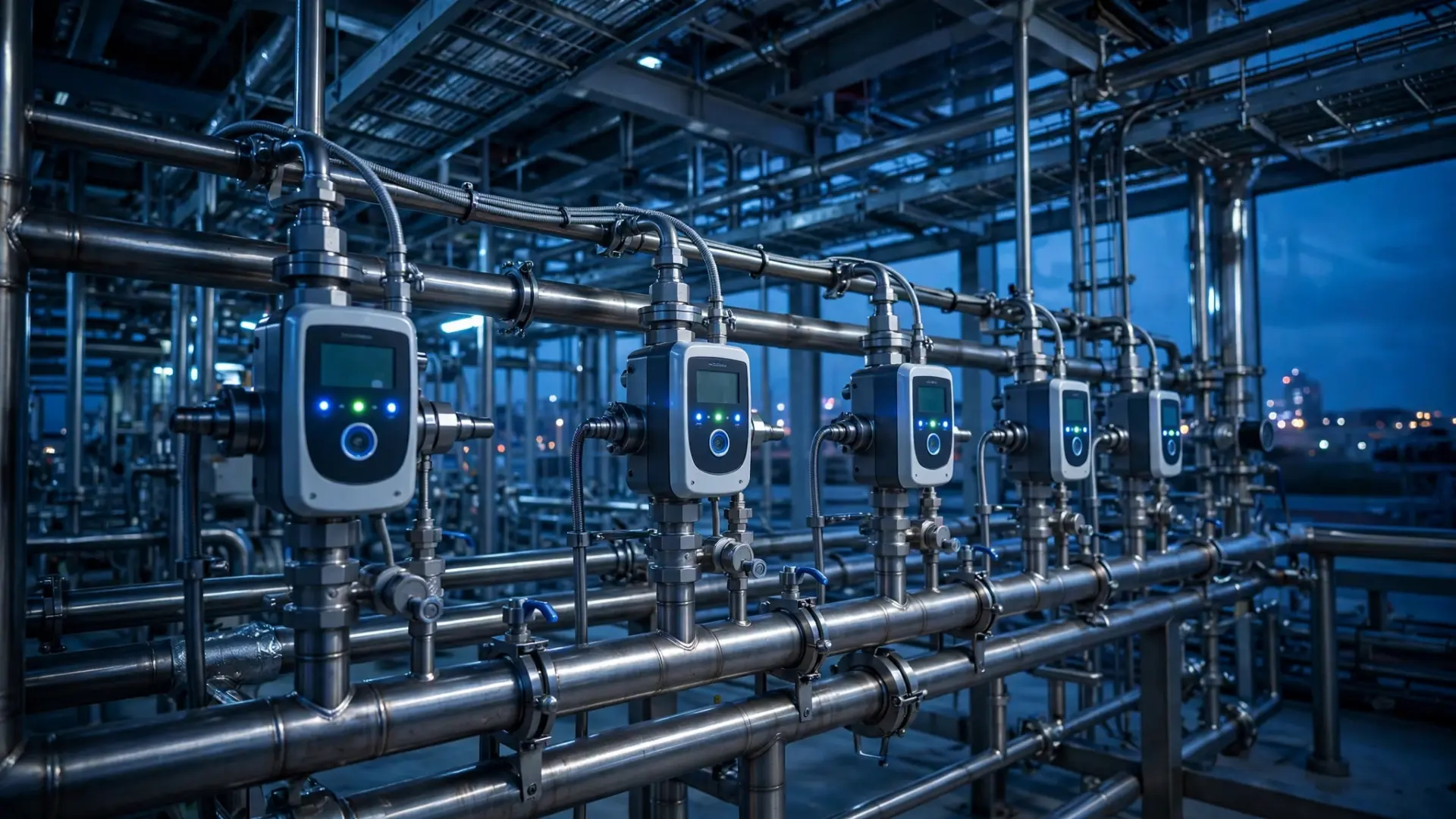
Coriolis adoption, digitalization, hygienic design — the flow meter technology trends shaping 2026 and what industrial buyers should specify.
Flow meter technology is moving faster than at any point in the last two decades. Coriolis mass flow meters, once reserved for premium applications, are now competing on total cost of ownership with traditional technologies; digital communication that used to be an option is becoming the default; and new energy applications such as hydrogen refueling and LNG bunkering are rewriting the specification sheets buyers used for years. For plant engineers and procurement managers, understanding these flow meter technology trends is no longer a nice-to-have — it directly affects which instruments will still fit your process five years from now.
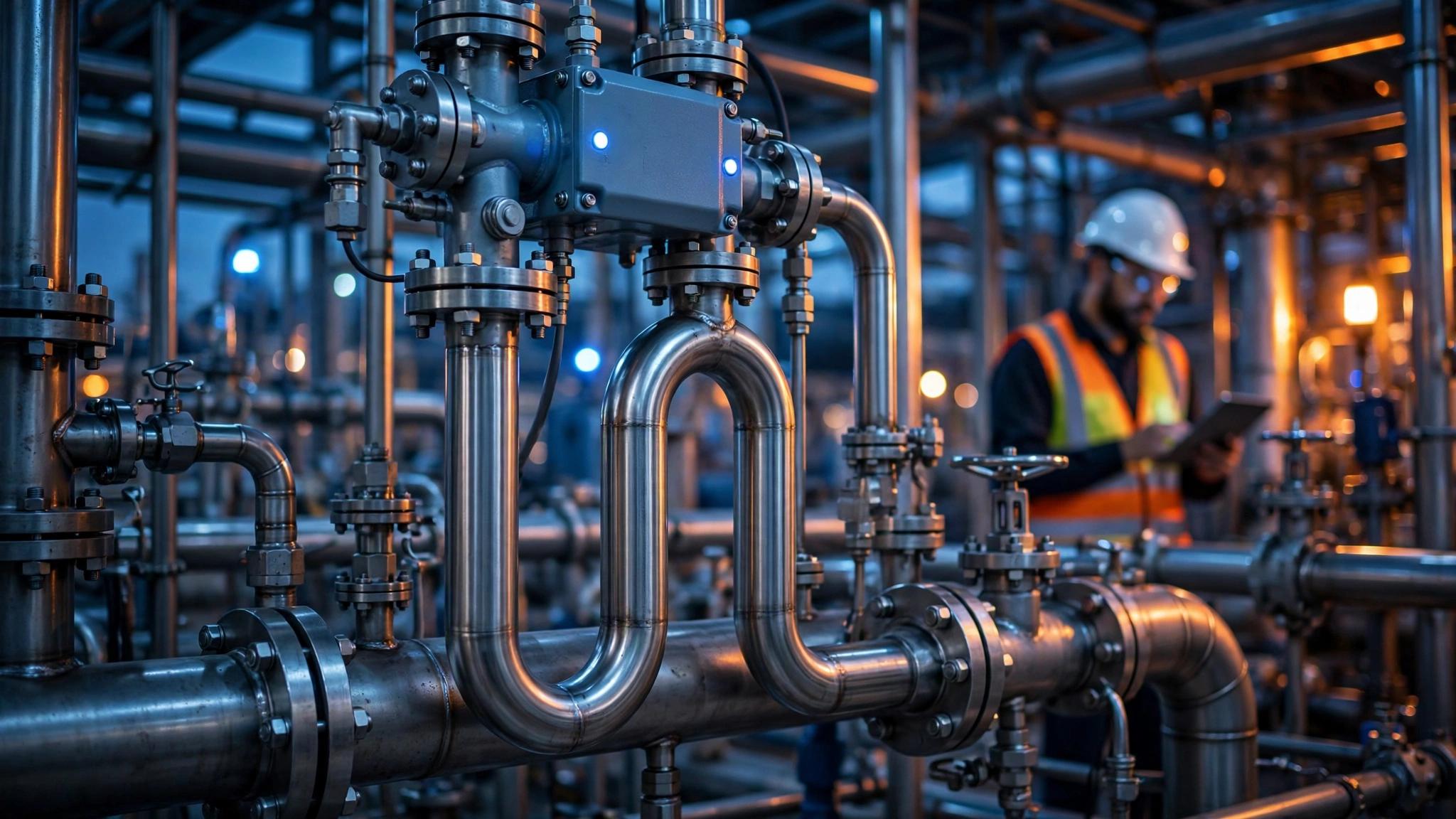
This guide looks at the five trends that matter most for industrial buyers in 2026, and what each one means for your next flow meter specification. It is written from the perspective of a solution provider that works with plants across oil and gas, chemical, pharmaceutical, food, and water treatment industries — focusing on practical selection decisions, not marketing claims.
Coriolis Moves Into Custody Transfer and Hydrogen
The biggest shift of the last few years is the migration of Coriolis mass flow meters into applications that used to belong to turbine, ultrasonic, or positive displacement meters. Two forces drive this. First, custody transfer — the fiscal measurement where every fraction of a percent of error translates directly into money — now routinely specifies Coriolis technology for LNG, LPG, refined fuels, and chemicals, with mass flow accuracies down to ±0.1%. Because Coriolis measures mass directly, it eliminates the temperature and pressure compensation errors that plague volumetric technologies when product conditions swing.
Second, the hydrogen economy. Hydrogen refueling stations need to measure very small mass flows of a very light gas at pressures up to 70 MPa — a combination that defeats most conventional meters. Coriolis designs with small-bore measuring tubes, such as hydrogen Coriolis mass flow meters, were developed specifically for this duty. If your roadmap includes hydrogen, green fuels, or carbon capture, specifying Coriolis now avoids a second instrument purchase later.
Digitalization: From 4-20 mA to Built-In Diagnostics
The 4-20 mA loop is not disappearing, but it is no longer the whole story. Modern transmitters ship with HART, Modbus RTU/RS-485, and pulse outputs as standard, and buyers increasingly expect the meter to do more than report a number. Built-in diagnostics — tube health monitoring, drive gain alarms, density trending — let maintenance teams spot a developing problem weeks before it affects measurement. This is a quiet but important trend: the flow meter is becoming a condition-monitoring sensor for the process itself.
What this means for buyers: when comparing instruments, look past the headline accuracy figure and ask what diagnostics the transmitter provides, which protocols are standard rather than optional, and whether the configuration software is included or an extra-cost add-on. Ethernet-APL and wireless HART are also worth watching: they promise simpler wiring for hazardous-area installations, and meters bought today should at least be upgradeable to these interfaces. A meter that flags its own problems pays for itself the first time it prevents an unplanned shutdown.
Hygienic Design Expands Beyond Pharma
Sanitary flow measurement used to be a pharmaceutical and dairy niche. Today, food and beverage plants, cosmetics, and fine chemical producers are adopting the same hygienic design principles: crevice-free measuring tubes, electropolished 316L wetted parts, and drainable installations that survive CIP/SIP cleaning cycles. The driver is regulatory — food safety standards keep tightening — but also operational: hygienic designs clean faster and reduce the risk of batch contamination.
Coriolis technology fits naturally here because the measuring tube has no dead zones and can be manufactured from high-grade stainless steel with smooth internal surfaces. Plants specifying hygienic Coriolis meters for pharma and chemical duty typically look for 3A or EHEDG-compliant designs and documented surface finishes. If your process handles anything that goes into food, medicine, or cosmetics, make hygienic design a line item in your specification — retrofitting it later is far more expensive.
Compact, Skid-Ready Designs
Skid-mounted process units — for LNG, hydrogen, chemical dosing, and marine fuel systems — keep getting smaller, and flow meters are following. Ultra-compact Coriolis transmitters and U-tube sensors that fit into tight cabinets are now a distinct product category rather than a compromise. The trend matters because it changes installation economics: a meter that needs no straight pipe runs upstream or downstream, and that fits in a crowded skid, can cut installation cost and footprint dramatically compared to technologies with strict piping requirements.
For retrofit projects this is especially valuable. Coriolis meters can often drop into existing pipework without the straight-run modifications that turbine or orifice meters demand, which is one reason plants standardize on them across both new builds and upgrades. When space is the binding constraint — offshore platforms, marine engine rooms, containerized test units — the compact form factor can be the deciding factor between technologies that otherwise perform similarly.
Buyers Think Total Cost of Ownership, Not Sticker Price
The final trend is a change in how instruments are bought. Procurement teams increasingly evaluate total cost of ownership: purchase price plus installation, calibration, maintenance, and the cost of measurement error over the instrument's life. On that basis, a Coriolis meter with no moving parts, no wear components, 1–3 year calibration intervals, and direct mass measurement frequently beats a cheaper volumetric meter that needs regular recalibration and compensation hardware.
This is where working with a solution provider pays off. The right instrument is not always the most accurate or the most expensive one — it is the one whose technology, materials, and outputs match your actual process conditions. A supplier that helps you size the meter correctly, selects the right wetted materials for your medium, and supports commissioning will save more money than any discount on the purchase price. If you are comparing options, send us your process parameters — getting the selection right the first time is the cheapest trend to follow.
FAQs
Which flow meter technology is best for custody transfer?
Coriolis mass flow meters are the most common choice for liquid custody transfer today, including LNG, LPG, refined products, and chemicals, because they measure mass directly with accuracies down to ±0.1% and are unaffected by temperature and pressure swings. For large gas pipelines, ultrasonic meters remain competitive. The deciding factors are the fluid, the required accuracy class, and the applicable fiscal metering standard for your region.
Do I need HART or Modbus on a Coriolis meter?
For a standalone local installation, 4-20 mA plus pulse output is often enough. HART becomes valuable when you want remote configuration and diagnostics over the existing 4-20 mA wiring, while Modbus RTU/RS-485 is the better choice for digital integration into PLCs, DCS, or SCADA systems. Most modern transmitters include all of these, so the question is usually about your control architecture rather than the meter.
Can a Coriolis meter handle hydrogen?
Yes, provided it is designed for the duty. Hydrogen's very low density and high operating pressures (up to 70 MPa at refueling stations) require small-bore Coriolis sensors engineered for the application, such as the CMASS001TD hydrogen Coriolis meter. Standard general-purpose Coriolis meters may not cover the required flow range or pressure rating — always check the sensor's specified range for hydrogen service.
How do hygienic flow meters differ from standard ones?
Hygienic designs use crevice-free measuring tubes, electropolished 316L stainless steel wetted parts, and sanitary process connections (tri-clamp, DIN 11851) that withstand CIP/SIP cleaning. Standard industrial meters may have threaded connections and rougher internal finishes that trap product residue. For food, beverage, pharma, and cosmetics, hygienic design is typically a regulatory requirement, not an option.
What should I check before buying flow meters from an overseas supplier?
Verify calibration certificates and traceability, confirm the wetted materials suit your medium, check which communication protocols are standard, and ask about lead times and after-sales support in your region. A reliable supplier acts as a solution provider: helping with sizing and selection, providing documentation for your quality system, and supporting commissioning. Clear technical communication before the order prevents most post-delivery problems.